Skip to content



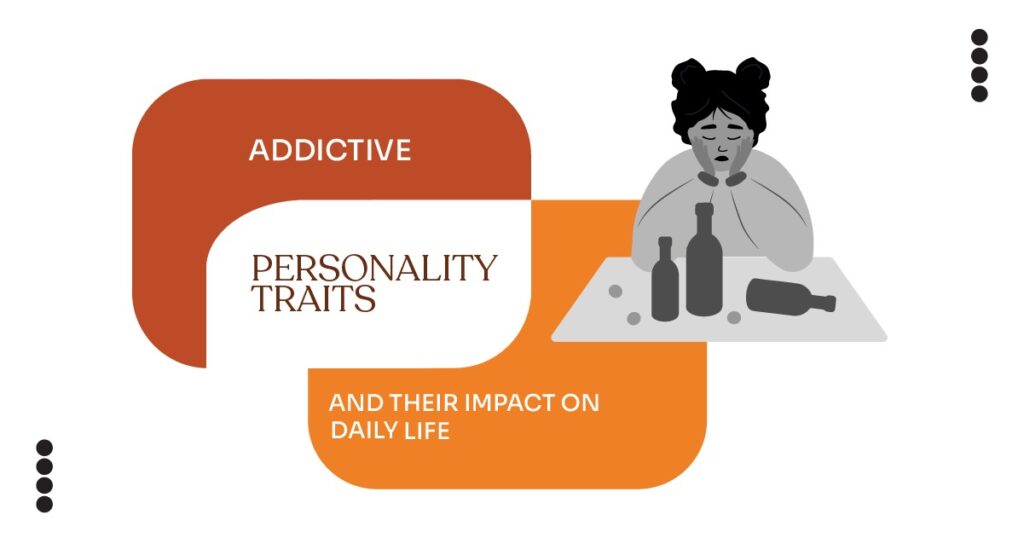
The concept of an addictive personality has captured public attention for decades, offering a framework for understanding why some individuals seem more susceptible to developing unhealthy dependencies than others. While mental health professionals debate whether a single addictive personality type truly exists, research consistently identifies clusters of traits that increase addiction vulnerability across various substances and behaviors. Understanding these patterns provides valuable insight for prevention, early intervention, and treatment.
Addictive traits encompass a range of psychological characteristics that influence how individuals respond to rewarding experiences and cope with emotional distress. These traits do not guarantee that someone will develop an addiction, but they do create heightened risk when combined with environmental factors, genetic predisposition, and exposure to addictive substances or behaviors. Recognizing these patterns in oneself or loved ones opens pathways toward proactive management and support.
Understanding the Addictive Personality Concept
The term addictive personality describes a hypothesized set of psychological traits believed to predispose individuals toward developing addictions. While no single personality profile universally predicts addiction, research has identified several characteristics that appear more frequently among those who develop substance abuse tendencies or behavioral addictions. These traits interact with biological and environmental factors to shape individual risk.
Common characteristics associated with addictive traits include:
- Difficulty regulating emotions and tolerating distress
- Heightened sensitivity to stress and tendency toward anxiety
- Sensation-seeking behavior and need for novelty
- Low self-esteem and negative self-perception
- Social alienation or difficulty forming secure attachments
- Impulsivity and difficulty delaying gratification
- Tendency toward obsessive thinking patterns
- Family history of addiction or mental health disorders
It is important to note that possessing these traits does not destine anyone toward addiction. Many individuals with these characteristics never develop problematic dependencies, while others without obvious risk factors do struggle with addiction. The concept of an addictive personality serves best as a tool for understanding vulnerability rather than a deterministic label.

The Role of Addiction Vulnerability in Personality Disorders
Research reveals significant overlap between addiction vulnerability and various personality disorders, suggesting shared underlying mechanisms that influence both conditions. Individuals diagnosed with certain personality disorders face substantially elevated risks for developing substance use disorders and behavioral addictions. Understanding these connections informs more effective treatment approaches that address co-occurring conditions.
Personality Disorders and Associated Addiction Risks
| Personality Disorder | Key Characteristics | Addiction Connection |
| Borderline Personality Disorder | Emotional instability, fear of abandonment, impulsivity | High rates of substance abuse as emotional regulation strategy |
| Antisocial Personality Disorder | Disregard for rules, risk-taking, lack of remorse | Elevated substance use related to sensation-seeking and impulsivity |
| Narcissistic Personality Disorder | Grandiosity, need for admiration, entitlement | Substance use to maintain self-image or cope with narcissistic injury |
| Avoidant Personality Disorder | Social inhibition, feelings of inadequacy, hypersensitivity | Substance use to reduce social anxiety and facilitate connection |
| Dependent Personality Disorder | Excessive need to be cared for, submissive behavior | Vulnerability to dependency issues extending to substances |
| Obsessive-Compulsive Personality Disorder | Preoccupation with control, perfectionism, rigidity | Risk for compulsive behaviors when control mechanisms fail |
The relationship between personality disorders and addiction operates bidirectionally. Personality traits may predispose individuals toward addiction, while chronic substance use can intensify maladaptive personality features or trigger the emergence of personality pathology. This interplay complicates treatment and underscores the importance of comprehensive assessment and integrated care.
Compulsive Behavior and Substance Abuse Tendencies
Compulsive behavior represents a core feature connecting various forms of addiction, characterized by repetitive actions performed despite negative consequences. This pattern emerges when behavior that initially produces pleasure or relief becomes driven by compulsion rather than choice. Understanding compulsive behavior illuminates how substance abuse tendencies develop and persist even when individuals recognize the harm they cause.
Signs that behavior has become compulsive include:
- Continued engagement despite clear negative consequences
- Unsuccessful attempts to reduce or stop the behavior
- Significant time spent obtaining, using, or recovering from the substance or behavior
- Neglect of important responsibilities and relationships
- Tolerance requiring increased amounts to achieve desired effects
- Withdrawal symptoms when unable to engage in the behavior
- Loss of interest in previously enjoyed activities
Compulsive patterns extend beyond substance use to encompass behavioral addictions including gambling, gaming, shopping, eating, and sexual behavior. These behavioral addictions share neurobiological features with substance addictions and often co-occur in individuals with addictive traits. Recognition of these broader patterns helps individuals identify problematic tendencies before they escalate.
The Link Between Impulsive Personality and Dependency Issues
An impulsive personality characterized by acting without adequate consideration of consequences creates significant vulnerability to dependency issues across multiple domains. Impulsivity interferes with the deliberation necessary for healthy decision-making, leading individuals toward immediately rewarding choices despite long-term costs. This trait appears prominently among those who develop addictions.
Impulsivity manifests through several distinct but related dimensions that each contribute to addiction risk. Motor impulsivity involves acting without thinking, leading to spontaneous substance use or risky behaviors. Attentional impulsivity reflects difficulty maintaining focus, which can result in seeking stimulation through substances or addictive activities. Non-planning impulsivity describes orientation toward the present without adequate consideration of future consequences.
Dimensions of Impulsivity and Their Impact on Addiction
| Impulsivity Dimension | Behavioral Manifestation | Connection to Addiction |
| Motor Impulsivity | Acting on urges without reflection | Spontaneous substance use, difficulty resisting cravings |
| Attentional Impulsivity | Difficulty focusing, easily distracted | Seeking stimulation through substances, poor treatment engagement |
| Non-Planning Impulsivity | Present-focused, disregarding consequences | Prioritizing immediate reward over long-term wellbeing |
| Negative Urgency | Impulsive action during negative emotions | Using substances to escape emotional distress |
| Positive Urgency | Impulsive action during positive emotions | Excessive use during celebrations or positive states |
| Sensation Seeking | Pursuing novel and intense experiences | Experimenting with substances, escalating use for effect |
Obsessive Behavior and Its Role in Addiction
Obsessive behavior represents another pathway through which addictive personality traits manifest in daily life and contribute to dependency development. While impulsivity involves acting without sufficient thought, obsessive behavior involves excessive thinking that becomes rigid, repetitive, and difficult to control. Both patterns ultimately interfere with healthy functioning and increase addiction vulnerability.

Individuals prone to obsessive behavior may develop intense preoccupation with substances, activities, or relationships that crowds out other concerns and dominates mental life. This obsessive focus can transform casual interest into compulsive engagement as thoughts become increasingly difficult to dismiss or redirect. The mental energy consumed by obsession leaves little capacity for balanced decision-making.
Obsessive patterns in addiction manifest through:
- Persistent thoughts about using substances or engaging in addictive behaviors
- Elaborate planning and anticipation of next use
- Difficulty concentrating on other activities due to intrusive thoughts
- Ritualistic behaviors surrounding substance use or addictive activities
- Distress when unable to engage in the obsessive focus
- Progressive narrowing of interests toward addiction-related concerns
Strategies for Managing Compulsive and Impulsive Behaviors
Effective management of compulsive behavior and impulsive personality traits requires comprehensive strategies that address multiple dimensions of these challenges. While these tendencies may reflect stable personality features, they are not immutable. Evidence-based interventions can help individuals develop greater self-regulation, reduce harmful behaviors, and improve overall quality of life.
Effective management strategies include:
- Mindfulness practices that increase awareness and create space between urge and action
- Structured daily routines that reduce decision fatigue and opportunity for impulsive choices
- Environmental modifications that limit access to triggers and temptations
- Social support systems that provide accountability and encouragement
- Physical exercise that improves mood regulation and reduces cravings
- Professional treatment including therapy and medication when appropriate
- Support groups that offer peer connection and shared strategies
Building a life with meaningful activities, relationships, and goals provides natural protection against addiction by creating sources of satisfaction that compete with substance use or compulsive behaviors. Recovery involves not just stopping problematic behavior but constructing a fulfilling life that supports continued wellness.
Rock Solid Recovery: Red Rock Behavioral Health Can Help You Build a Stronger Foundation
Understanding addictive personality traits and their impact on daily life represents a crucial step toward positive change for those who recognize these patterns in themselves or loved ones. While certain characteristics may create heightened addiction vulnerability, this knowledge empowers proactive choices and informed help-seeking rather than resignation to fate. With appropriate support, individuals can develop skills and strategies that transform their relationship with compulsive and impulsive tendencies.
If you recognize addictive traits in yourself or someone you care about, reaching out for professional guidance can make a meaningful difference in outcomes. Contact Red Rock Behavioral Health today to learn more about our treatment programs and discover how our compassionate team can support your journey toward healthier patterns and improved quality of life.
FAQs
1. What role does addiction vulnerability play in the development of personality disorders?
Addiction vulnerability and personality disorders share overlapping risk factors including genetic predisposition, childhood trauma, and neurobiological differences in reward processing and emotional regulation. Individuals with certain personality disorders face substantially elevated rates of substance use disorders, while chronic addiction can intensify maladaptive personality traits or contribute to the emergence of personality pathology. This bidirectional relationship highlights the importance of integrated treatment approaches that address both conditions simultaneously.
2. How does compulsive behavior relate to substance abuse tendencies?
Compulsive behavior represents a core feature of addiction, characterized by repetitive engagement in substance use despite awareness of harmful consequences. The progression from voluntary use to compulsion involves neurological changes that alter brain circuits responsible for reward, motivation, and impulse control. These changes create powerful urges that override rational decision-making and make cessation extremely difficult without professional intervention and support.
3. In what ways can an impulsive personality contribute to dependency issues?
An impulsive personality increases addiction risk through multiple mechanisms including spontaneous initiation of substance use, difficulty resisting cravings, and prioritizing immediate reward over long-term consequences. Impulsive individuals are more likely to experiment with substances, less able to moderate consumption once started, and more vulnerable to relapse following treatment attempts. Additionally, chronic substance use further impairs brain regions responsible for impulse control, creating a worsening cycle.
4. How does obsessive behavior influence the path to addiction?
Obsessive behavior contributes to addiction through intense preoccupation with substances or activities that dominates mental life and crowds out other concerns. Recurring intrusive thoughts about using create urges that demand satisfaction, and repeated engagement strengthens neural pathways that make obsessive-compulsive patterns are increasingly automatic. This mental fixation narrows focus progressively toward addiction-related concerns while depleting cognitive resources needed for balanced decision-making.
5. What strategies can be effective in managing compulsive and impulsive behaviors associated with addictive traits?
Effective strategies include cognitive behavioral approaches that identify triggers and develop alternative responses, mindfulness practices that create space between urge and action, and structured routines that reduce impulsive decision opportunities. Environmental modifications limiting access to triggers, strong social support systems providing accountability, regular physical exercise improving mood regulation, and professional treatment including therapy and appropriate medication all contribute to successful management. Building a meaningful life with satisfying activities and relationships provides natural protection against addictive patterns.