Skip to content


Anxiety doesn’t announce itself politely. It arrives in the middle of a work presentation, during a sleepless night before a major deadline, or while navigating a difficult conversation with a family member. For adults juggling careers, relationships, and daily responsibilities, managing stress and anxiety naturally becomes essential rather than optional. Unlike the fleeting worries of adolescence, adult anxiety often carries the weight of real-world consequences — financial pressures, health concerns, caregiving duties — making effective relief techniques not just helpful but necessary for maintaining quality of life.
This guide presents a three-tier framework: immediate relief methods for acute episodes, daily habits to reduce anxiety over time, and long-term anxiety management strategies that address underlying patterns. The anxiety coping skills for adults presented here address anxiety at every level of intensity. Each technique is designed to fit into the realities of adult schedules, requiring minimal time and no special equipment. Whether you’re seeking what helps with overwhelming anxiety during a panic attack or building resilience against chronic worry, these evidence-based approaches offer practical pathways forward.
Quick-Relief Techniques When Anxiety Spikes
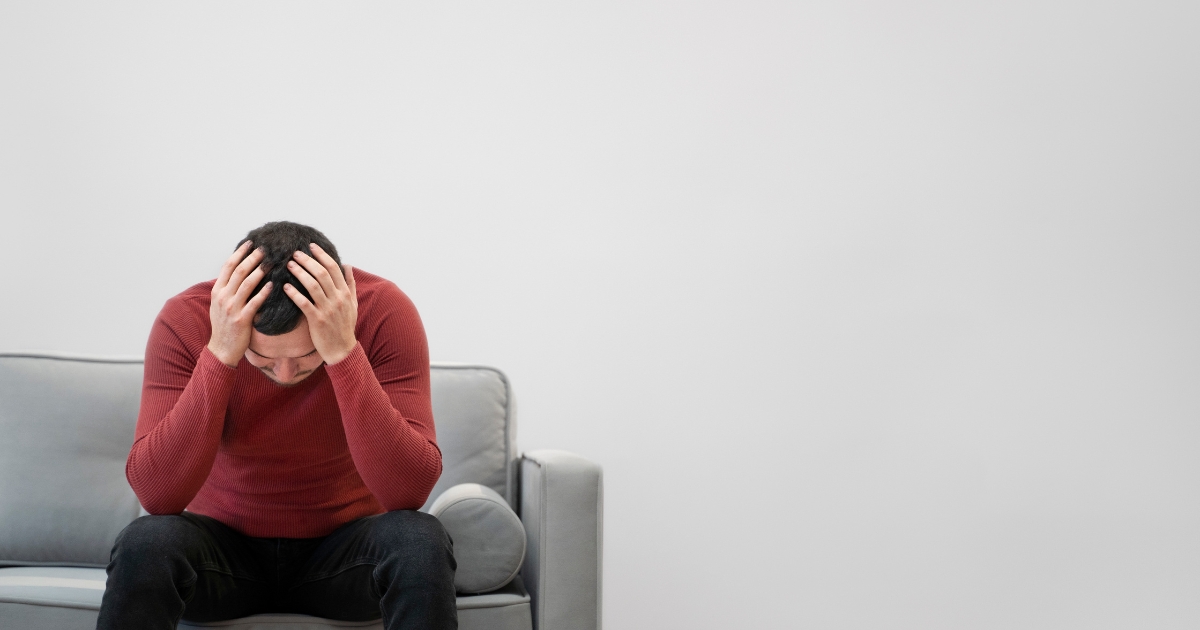
When acute anxiety strikes, having reliable anxiety coping skills for adults makes the difference between spiraling and regaining control. When your heart races, thoughts spiral, or panic threatens to overwhelm, these rapid-response methods can restore a sense of control within minutes.
Grounding exercises for panic attacks prove particularly effective during intense episodes. The 5-4-3-2-1 method anchors you in the present by directing attention to your surroundings: identify five things you can see, four you can touch, three you can hear, two you can smell, and one you can taste. The technique requires no preparation and works in any environment, making it ideal for unexpected anxiety surges.
Box breathing offers another accessible option. Inhale for four counts, hold for four, exhale for four, and hold empty for four. Repeat this cycle four to six times. For faster relief, try the physiological sigh: take two quick inhales through your nose followed by a long exhale through your mouth. This pattern rapidly reduces arousal by activating the vagus nerve.
When anxiety strikes at work, calming techniques must be discreet. Progressive muscle relaxation adapted for office settings works well: systematically tense and release muscle groups starting with your feet and moving upward, holding each contraction for five seconds before releasing. The “54321 countdown” — counting backward from 54 by threes — occupies cognitive resources enough to interrupt anxious rumination.
| Technique | Time Required | Best Used When |
|---|---|---|
| 5-4-3-2-1 Grounding | 2-3 minutes | Panic attacks or dissociation |
| Box Breathing | 3-5 minutes | Moderate anxiety or racing thoughts |
| Physiological Sigh | 30-60 seconds | Sudden stress spikes |
| Desk-Based Muscle Relaxation | 5-7 minutes | Workplace tension |
Building Resilience Through Consistent Daily Practices
Daily practices work cumulatively to strengthen your nervous system. Consistency matters more than perfection — even irregular practice yields benefits over time.
Morning routines set the tone for nervous system regulation throughout the day. Beginning with 10 minutes of body scan meditation helps you identify where tension resides before it escalates. Lie down or sit comfortably, then mentally sweep through each body part from toes to head, noticing sensations without judgment. Morning sunlight exposure — even five minutes — helps regulate cortisol and improve sleep.
- Establish a consistent sleep schedule with an 8-hour window that aligns with your natural rhythm, as irregular sleep directly amplifies anxiety sensitivity and emotional reactivity.
- Limit caffeine intake to before noon, as caffeine’s extended half-life can disrupt sleep even when consumed in the early afternoon.
- Practice progressive muscle relaxation before bed by tensing and releasing each muscle group for 10 seconds, signaling to your body that the day’s vigilance can end.
- Incorporate 20-30 minutes of moderate aerobic exercise most days, which significantly reduces anxiety by metabolizing stress hormones and releasing endorphins.
- Schedule brief “worry windows” — designated 15-minute periods to address concerns — rather than allowing anxious thoughts to intrude throughout the day.
- Maintain social connections through weekly phone calls or in-person meetings, as isolation intensifies anxiety while connection activates calming oxytocin pathways.
The Role of Nutrition in Nervous System Regulation
Nutrition plays a more significant role than many adults realize. Eating protein with each meal, avoiding long gaps between eating, and reducing refined sugar intake all contribute to steadier mood regulation. Adequate hydration matters too — even mild dehydration increases cortisol production and subjective feelings of tension.
Addressing Root Patterns for Sustained Relief
The most sustainable anxiety coping skills for adults target the cognitive and behavioral patterns that perpetuate chronic worry.
Cognitive restructuring forms the foundation of evidence-based anxiety treatment. This process involves identifying automatic anxious thoughts, examining the evidence for and against them, and developing more balanced perspectives. For example, the thought “I’ll fail this presentation and lose my job” can be challenged by reviewing past performance, considering alternative outcomes, and recognizing catastrophic thinking patterns.
Why does anxiety get worse with age? Understanding this helps adults address progression rather than accept it as inevitable. Anxiety often intensifies in adulthood due to accumulated stress, increased responsibilities, hormonal changes, and the development of avoidance patterns that narrow one’s comfort zone. Counteracting this requires deliberate exposure to anxiety-provoking situations in manageable doses. If social anxiety has led you to decline invitations, start by attending one brief gathering per month. If health anxiety drives excessive checking behaviors, gradually reduce the frequency.
Many adults experience chronic anxiety because they’ve assumed responsibilities beyond their capacity or tolerate relationships that drain rather than nourish them. Learning to say no, delegating tasks, and limiting contact with consistently stressful individuals reduces external triggers that activate your stress response.
| Strategy Type | Primary Mechanism | Timeline for Results |
|---|---|---|
| Cognitive Restructuring | Challenges distorted thought patterns | 4-8 weeks with consistent practice |
| Gradual Exposure | Reduces avoidance and expands comfort zone | 8-12 weeks for noticeable shifts |
| Boundary Development | Decreases external stressors | Immediate relief, deepens over months |
| Lifestyle Modification | Regulates nervous system baseline | 2-6 weeks for measurable changes |
When Self-Help Reaches Its Limits
Anxiety relief techniques that work fast provide valuable tools, but they cannot replace professional intervention when symptoms significantly impair functioning. If anxiety prevents you from fulfilling work responsibilities, maintaining relationships, or engaging in previously enjoyed activities, self-help alone is insufficient. Similarly, if you experience panic attacks multiple times per week, or have suicidal thoughts, professional treatment becomes necessary rather than optional. If you or someone you know is in crisis, call or text 988 to reach the Suicide & Crisis Lifeline, available 24/7.
Combining coping skills with therapy and, when appropriate, medication offers the most comprehensive approach. Cognitive-behavioral therapy teaches structured techniques while addressing underlying patterns that self-help cannot reach. Medication can provide the stability needed to engage effectively in therapy and practice new skills. Professional support doesn’t represent failure — it acknowledges that severe or persistent anxiety is a treatable medical condition requiring clinical expertise.
Anchoring Your Recovery With Professional Care at Red Rock Behavioral Health
The coping skills outlined here provide essential tools for managing symptoms and building resilience. Yet even the most diligent self-help practice benefits from professional guidance, particularly when anxiety has become chronic or severe. Red Rock Behavioral Health offers comprehensive anxiety treatment that combines evidence-based therapies with personalized care plans tailored to your specific symptoms and life circumstances. Our clinical team understands that adult anxiety rarely exists in isolation — it intersects with work stress, relationship challenges, health concerns, and life transitions that require nuanced, individualized approaches. Whether you’re seeking initial assessment, ongoing therapy, medication management, or intensive outpatient support, we provide the clinical expertise needed to move beyond symptom management toward lasting recovery. Contact Red Rock Behavioral Health today to discuss how professional treatment can complement your personal coping efforts and create sustainable relief from anxiety.
FAQs
The following questions address common concerns regarding anxiety and how to cope with it.
1. What helps with overwhelming anxiety when nothing seems to work?
When standard techniques fail, the anxiety may be too severe for self-help alone, or you may need a different combination of approaches. Professional assessment can identify whether intensive therapy would provide the foundation needed for other skills to become effective.
2. How long does it take for anxiety coping skills to start working?
Immediate techniques like grounding exercises provide relief within minutes during acute episodes. Daily habits to reduce anxiety and long-term strategies require consistent application over several weeks before you notice sustained reductions in baseline anxiety levels.
3. Can you manage severe anxiety without medication using only coping skills?
Some individuals with moderate anxiety manage effectively through therapy and lifestyle changes alone. However, severe anxiety — particularly when accompanied by panic disorder, significant avoidance, or functional impairment — often responds best to a combination of medication and therapeutic techniques rather than skills alone.
4. Which anxiety coping skills work best in workplace settings?
Discreet breathing techniques, brief grounding exercises, and cognitive reframing work well in professional environments without drawing attention. The physiological sigh, mental counting exercises, and desk-based muscle relaxation can all be performed during meetings or at your workspace.
5. Why do some anxiety techniques work for others but not for me?
Individual differences in anxiety triggers, nervous system sensitivity, and personal preferences mean that no single technique works universally. Experimentation helps you identify which methods resonate with your specific physiology and circumstances, and professional guidance can accelerate this discovery process.