Skip to content



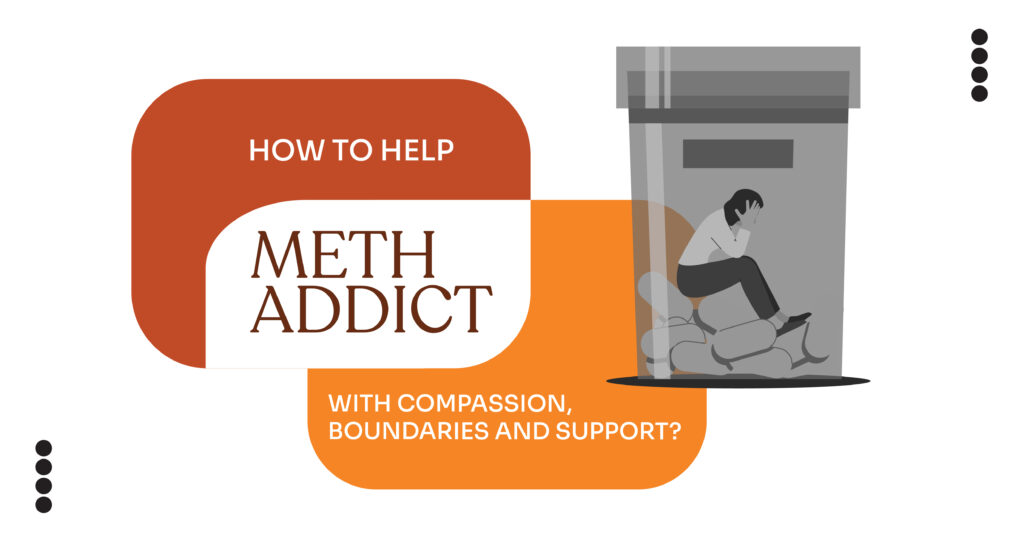
Supporting someone who is struggling with methamphetamine addiction can feel overwhelming and emotionally exhausting. You may feel torn between wanting to help, wanting to protect yourself, and wanting to understand the unpredictable behaviors associated with meth use. Many people seeking guidance on how to help a meth addict are unsure how to balance empathy with firm boundaries, or how to determine which steps actually encourage recovery. Because of meth’s intense impact on the brain, judgment, and emotions, compassionate and informed support can make a meaningful difference, but professional treatment is always essential.
Meth addiction affects far more than physical health. It influences behavior, mental health, cognitive function, and emotional stability. People struggling with meth addiction often experience paranoia, insomnia, mood swings, or hallucinations, which can make communication and support incredibly challenging. Even so, compassionate, steady guidance paired with evidence-based treatment options gives individuals struggling with meth use a better chance of entering and sustaining addiction recovery.
Understanding Meth Addiction and Why Compassion Is Crucial
Methamphetamine is a powerful stimulant that rapidly alters brain chemistry. It floods the brain with dopamine, creating intense euphoria followed by harsh crashes, exhaustion, and depression. Over time, meth changes the brain’s reward system, making it extremely difficult for someone to quit without help.

Approaching your loved one with compassion does not mean ignoring unsafe behavior. Instead, it means acknowledging that meth addiction is a medical and psychological condition, not a character flaw or moral failing.
Compassionate support includes:
- Speaking calmly and without blame
- Listening more than lecturing
- Offering help instead of ultimatums
- Encouraging professional support without forcing decisions
- Recognizing that recovery is a long-term process, not a quick fix
People often respond more positively to care and understanding than judgment or confrontation.
Recognizing the Signs of Meth Addiction and Ensuring Immediate Safety
Knowing the signs of meth addiction helps you identify when a loved one is at risk. Meth use results in a wide range of physical, behavioral, and psychological symptoms.
Common signs of meth addiction include:
- Sudden weight loss
- Intense bursts of energy followed by exhaustion
- Jaw clenching or teeth grinding (“meth mouth”)
- Rapid speech or hyperactivity
- Skin sores from picking
- Erratic sleep cycles
- Paranoia or hallucinations
- Aggressive or unpredictable behavior
- Loss of interest in responsibilities
- Social withdrawal
Some signs indicate immediate danger and require emergency action. Here is a comparison for clarity.
Signs of Meth Addiction vs. Signs of Meth Emergency
| Category | Typical Signs of Meth Addiction | Emergency Signs Requiring Immediate Help |
| Behavior | Hyperactivity, mood swings, irritability | Extreme aggression, violent behavior |
| Physical Appearance | Weight loss, skin sores | Chest pain, seizures, high fever |
| Psychological | Anxiety, paranoia | Hallucinations causing danger to self/others |
| Cognitive | Rapid thoughts, difficulty focusing | Confusion, inability to recognize surroundings |
| Urgency | Serious concern | Life-threatening—call 911 |
Safety should always come first. If a loved one is violent, severely paranoid, or experiencing chest pain or seizures, call emergency services right away.
Approaching a Loved One About Meth Addiction With Compassion
Starting the conversation is often the hardest part. Because meth affects emotions and judgment, timing and tone matter.
Helpful strategies when discussing meth addiction:
- Choose a calm, private moment – not during conflict or intoxication
- Use “I” statements instead of accusations
- Focus on safety and concern rather than blame
- Express unconditional care
- Offer specific help (researching treatment, attending appointments)
- Keep the conversation short and empathetic
Examples of compassionate phrases:
- “I’m really worried about your health and safety.”
- “I care about you, and I’m here to support you whenever you’re ready for help.”
- “You deserve support, and you don’t have to do this alone.”
Avoid arguing, lecturing, or trying to diagnose the person yourself.
Setting Healthy Boundaries While Supporting a Meth Addict
Boundaries protect both you and your loved one. Without boundaries, support can turn into enabling, which unintentionally reinforces substance use.
Healthy boundaries may include:
- Not giving money
- Refusing to lie to cover up behaviors
- Limiting access to your home if safety is compromised
- Setting expectations for communication and respect
- Protecting your own emotional and mental health
Boundaries create structure and stability, letting your loved one experience natural consequences that can motivate change.
Below is a table demonstrating the difference between supportive boundaries and enabling behaviors.
Boundaries vs. Enabling in Meth Addiction Support
| Category | Healthy Boundaries | Enabling Behaviors |
| Financial | Refusing to fund substance use | Giving money out of fear or guilt |
| Emotional | Empathy with limits | Ignoring harmful behavior |
| Responsibility | Allowing natural consequences | Cleaning up messes caused by use |
| Safety | Leaving unsafe situations | Staying despite danger |
| Treatment | Offering to help find resources | Assuming they will quit without support |
The goal is to support recovery, not reinforce harmful patterns.
Implementing Intervention Strategies With Care and Respect
Interventions can help individuals recognize the severity of their addiction, but they must be approached carefully – especially because meth use can heighten paranoia and emotional instability. Considerations before planning an intervention:
- Ensure the person is sober or stable
- Involve a professional if paranoia or violence is present
- Practice nonjudgmental, compassionate communication
- Avoid large groups that may feel overwhelming
- Prepare treatment options in advance
- Focus on safety and voluntary participation
Safe, respectful intervention strategies include:
- Inviting a trained intervention specialist
- Keeping the conversation calm and focused
- Avoiding shame, blame, or threats
- Presenting clear options for substance abuse treatment
- Making safety the top priority
Interventions should never escalate conflict. If the situation becomes unsafe, pause and seek professional guidance.
Treatment Options for Meth Addiction
Meth addiction requires professional treatment due to its powerful effects on the brain and body. Treatment typically includes a combination of detoxification, behavioral therapy, support groups, and long-term recovery planning.
1. Detoxification Process
Meth detox helps individuals clear the drug from their system with medical supervision. While meth withdrawal is primarily psychological, it can involve:
- Irritability
- Depression
- Sleep disturbances
- Intense cravings
- Anxiety
Medical support helps manage symptoms and prevents complications.
2. Rehabilitation Programs
Rehab programs provide structured support:
- Residential treatment
- Partial hospitalization
- Intensive outpatient programs
- Long-term recovery planning
These programs address mental health, trauma, coping skills, and relapse prevention.
3. Counseling Services
Counseling plays a critical role in meth addiction recovery:
- Cognitive behavioral therapy (CBT)
- Trauma-informed therapy
- Family counseling
- Individual and group therapy
Counseling helps individuals understand triggers, develop coping skills, and rebuild emotional health.
4. Support Groups
Support groups connect individuals to a recovery community:
- 12-step programs
- SMART Recovery
- Faith-based groups
- Secular or community support groups

Connection reduces isolation and improves long-term recovery outcomes.
5. Mental Health Support
Because meth addiction and mental health challenges often occur together, integrated care is crucial.
Treatment may include:
- Therapy for anxiety or depression
- Psychiatric evaluation
- Medication when appropriate
- Support for trauma and stress
Holistic mental health support strengthens emotional stability and reduces relapse risk.
How Families Can Support Long-Term Recovery
Recovery does not end after detox or treatment. Meth addiction recovery is a lifelong process requiring structure, encouragement, and ongoing support.
Families can help by:
- Encouraging therapy attendance
- Offering stable routines
- Reducing conflict and stress
- Supporting healthy coping strategies
- Celebrating progress, even small victories
- Staying patient and consistent
Healing happens gradually, and setbacks may occur. Support and structure play a major role in long-term success.
Lighting the Way Toward Recovery: Connect With Red Rock Behavioral Health
If you’re searching for guidance on how to help a meth addict, remember that compassion, structure, and professional treatment are essential. You don’t have to navigate this alone, support is available for both you and your loved one.
Reach out to Red Rock Behavioral Health to explore detoxification services, rehabilitation programs, counseling, support groups, and long-term mental health care tailored for meth addiction recovery.
FAQs
1. What are effective ways to help a meth addict while maintaining compassion and setting boundaries?
Effective support includes listening without judgment, offering help without enabling, and expressing care calmly. Setting boundaries, such as refusing to give money or tolerate unsafe behavior, creates structure that supports recovery. Combining compassion with firm limits helps protect both you and your loved one.
2. How can I recognize the signs of meth addiction and take immediate steps to ensure safety?
Signs include rapid speech, paranoia, extreme energy or exhaustion, skin picking, and sudden weight loss. Emergency signs include hallucinations, violent behavior, and chest pain. If safety is compromised, contact emergency services immediately and remove yourself from any dangerous situation.
3. What boundaries should I establish to support a meth addict with empathy and consistency?
Healthy boundaries include limiting financial support, not lying to protect them, and refusing to stay in unsafe situations. Set clear expectations for communication and behavior. Boundaries are a form of love; they promote responsibility and protect emotional and physical safety.
4. How can intervention strategies be implemented to respect a meth addict’s consent and ensure safety?
Plan interventions during calm moments, avoid confrontational language, and consider involving a professional. Keep the group small, stay focused on the concern, and provide treatment options without pressure. Consent and safety should guide every step of the conversation.
5. What are the available treatment options for meth addiction, including detoxification and mental health support?
Treatment includes medical detox, residential rehab, outpatient programs, counseling services, support groups, and long-term mental health care: therapy and psychiatric support address underlying issues such as trauma, anxiety, or depression. A combination of structured treatment and support offers the strongest path to recovery.