5/5 ratings | Care Anytime
 Skip to content
 It may seem that life with attention-deficit/hyperactivity disorder (ADHD) is a complicated task but it is not always so – you do not have to give up on your personal or professional aspirations just because of your diagnosis. As long as you take your condition seriously and adhere to the treatment required, you can live a successful life not defined by the disorder.
It may seem that life with attention-deficit/hyperactivity disorder (ADHD) is a complicated task but it is not always so – you do not have to give up on your personal or professional aspirations just because of your diagnosis.
As long as you take your condition seriously and adhere to the treatment required, you can live a successful life not defined by the disorder.
The individual diagnosed with this condition struggles to pay attention, which affects their ability to carry out important tasks and engage in various activities and cannot cope with impulsivity that impacts their socialization. While the presentation of symptoms may vary, and some people are mostly inattentive while others are hyperactive, there are also instances where these two key characteristics occur in the same person.

While only a mental health professional can confirm your diagnosis and advise you to undergo adult ADHD treatment, you should be able to recognize the main signs of this disorder:

Rule out other conditions that may cause the person to exhibit the symptoms ADHD is typically associated with.
Analyze the medical history of the patient, ask them about their symptoms, and gather additional information about the manifestations of the condition from the patient’s family if necessary.
Make sure the symptoms meet the criteria outlined in DSM-5 and identify underlying mental health issues the individual in question may have on top of ADHD such as anxiety disorder or bipolar disorder.
Rule out other conditions that may cause the person to exhibit the symptoms ADHD is typically associated with.
Analyze the medical history of the patient, ask them about their symptoms, and gather additional information about the manifestations of the condition from the patient’s family if necessary.
Make sure the symptoms meet the criteria outlined in DSM-5 and identify underlying mental health issues the individual in question may have on top of ADHD such as anxiety disorder or bipolar disorder.
If the person is struggling to stay still, is constantly fidgeting, and acting without thinking about consequences, this is the disorder they have.
In some instances, ADHD manifests as distractibility, forgetfulness, and a lack of organizational skills.
This subtype of ADHD incorporates all the symptoms listed above - the person may struggle with time management and hyperactivity simultaneously.
If the person is struggling to stay still, is constantly fidgeting, and acting without thinking about consequences, this is the disorder they have.
In some instances, ADHD manifests as distractibility, forgetfulness, and a lack of organizational skills.
This subtype of ADHD incorporates all the symptoms listed above - the person may struggle with time management and hyperactivity simultaneously.
Every patient’s story is unique which is why we will determine the right treatment once you speak with
a therapist in a private setting – some people benefit from social skills training while others need to increase their mindfulness with the help of behavioral treatment for ADHD.
Only a psychiatrist can tell you what kind of prescription drug is safe for you to use. The most widely
used medications are stimulants and antidepressants – the latter option is a great solution for individuals who are also diagnosed with anxiety disorder.
A supportive lifestyle can make all the difference for people diagnosed with ADHD - ensure you
sleep enough, exercise regularly, optimize your nutritional intake, stay hydrated, practice techniques that will allow you to reduce stress, and establish routines that will keep you focused and motivated.
Every patient’s story is unique which is why we will determine the right treatment once you speak with a therapist in a private setting - some people benefit from social skills training while others need to increase
their mindfulness with the help of behavioral treatment for ADHD.
Only a psychiatrist can tell you what kind of prescription drug is safe for you to use. The most widely used medications are stimulants and antidepressants - the latter option is a great solution
for individuals who are also diagnosed with anxiety disorder.
sleep enough, exercise regularly, optimize your nutritional intake, stay hydrated, practice techniques that will allow you to reduce stress, and establish routines
that will keep you focused and motivated.
When it comes to the causes of ADHD, there is no universal consensus – still, most scientists agree that this condition develops as a result of a combination of factors. Genetic, neurological, and environmental variables are at play – ADHD often runs in families, the brain anatomy of the person with this disorder is different, and stressful events during pregnancy on top of poor nutrition in early childhood may contribute to ADHD. It is also possible that drinking alcohol or smoking during pregnancy increases the risk of ADHD manifestations occurring later on.
Even though ADHD cannot be cured, you can successfully manage the most acute symptoms of this condition as long as you are prepared to commit to psychotherapy and take the medications that target the symptoms that talking therapy is useless against. People who opt for residential ADHD treatment are making the right choice by prioritizing their wellness for a few weeks or months – on average, a patient can expect to spend one or two months dealing with the most severe manifestations of the disorder and learning all the skills they need to master to cope with ADHD on their own.
ADHD is usually diagnosed when the person is a child or teenager, but the diagnosis may be confirmed when this individual reaches adulthood and starts encountering challenges at work or in relationships. When the symptoms of the disorder make it hard for you to focus on the most trivial tasks, you feel frustrated due to your inability to stay calm and collected, and you start noticing how your emotions often feel out of sync with your intentions.
You may forget appointments, miss deadlines, or lose interest in projects that once excited you. The constant cycle of distraction and self-criticism can take a toll on your confidence, leaving you feeling overwhelmed and misunderstood. Over time, this emotional and cognitive turbulence can impact your relationships, productivity, and overall sense of well-being – making it crucial to seek professional help, build structure, and explore coping strategies that can help you regain focus and balance.
When it comes to the causes of ADHD, there is no universal consensus – still, most scientists agree that this condition develops as a result of a combination of factors. Genetic, neurological, and environmental variables are at play – ADHD often runs in families, the brain anatomy of the person with this disorder is different, and stressful events during pregnancy on top of poor nutrition in early childhood may contribute to ADHD. It is also possible that drinking alcohol or smoking during pregnancy increases the risk of ADHD manifestations occurring later on.
Even though ADHD cannot be cured, you can successfully manage the most acute symptoms of this condition as long as you are prepared to commit to psychotherapy and take the medications that target the symptoms that talking therapy is useless against. People who opt for residential ADHD treatment are making the right choice by prioritizing their wellness for a few weeks or months – on average, a patient can expect to spend one or two months dealing with the most severe manifestations of the disorder and learning all the skills they need to master to cope with ADHD on their own.
ADHD is usually diagnosed when the person is a child or teenager, but the diagnosis may be confirmed when this individual reaches adulthood and starts encountering challenges at work or in relationships. When the symptoms of the disorder make it hard for you to focus on the most trivial tasks, you feel frustrated due to your inability to stay calm and collected, and you start noticing how your emotions often feel out of sync with your intentions.
You may forget appointments, miss deadlines, or lose interest in projects that once excited you. The constant cycle of distraction and self-criticism can take a toll on your confidence, leaving you feeling overwhelmed and misunderstood. Over time, this emotional and cognitive turbulence can impact your relationships, productivity, and overall sense of well-being – making it crucial to seek professional help, build structure, and explore coping strategies that can help you regain focus and balance.
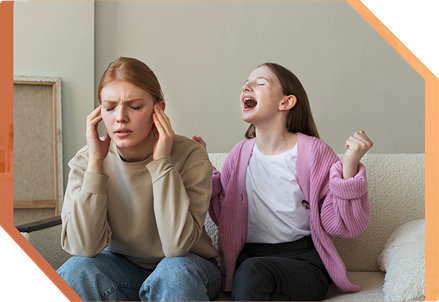
At our clinic, you will not have to worry about judgment or misunderstanding - we do our best to show every patient that their feelings and emotions matter to facilitate their recovery and provide them with the sense of security they require during treatment.
Our team of dedicated professionals is not afraid of a challenge - we will help you cope with the manifestations of ADHD and co-occurring mental health conditions such as depression or panic attacks.
We come up with structured treatment plans and implement effective mental health interventions to make sure every client in need of our assistance gets what they need and achieves a lasting and profound recovery.
Holistic treatment for ADHD can complement more conventional therapy modalities - our patients are encouraged to try yoga therapy and meditation therapy to enhance their mind-body connection.
At our clinic, you will not have to worry about judgment or misunderstanding - we do our best to show every patient that their feelings and emotions matter to facilitate their recovery and provide them with the sense of security they require during treatment.
Our team of dedicated professionals is not afraid of a challenge - we will help you cope with the manifestations of ADHD and co-occurring mental health conditions such as depression or panic attacks.
We come up with structured treatment plans and implement effective mental health interventions to make sure every client in need of our assistance gets what they need and achieves a lasting and profound recovery.
Holistic treatment for ADHD can complement more conventional therapy modalities - our patients are encouraged to try yoga therapy and meditation therapy to enhance their mind-body connection.
ADHD is a neurodevelopmental condition characterized by impulsivity, hyperactivity, inattention, and an inability to regulate emotions. This disorder affects people of all ages, genders, and backgrounds – it is typically diagnosed in childhood and persists until the person is an adult.
Even though therapists pick the most appropriate treatments for ADHD after meeting patients and learning more about their condition and therapy objectives, cognitive behavioral therapy (CBT) and dialectical behavior therapy (DBT) are considered the most effective therapy modalities – a patient hones their organizational skills and learns to regulate their emotions.
Yes, we accept most insurance plans in order to accommodate our clients – you can find more information on our Insurance Verification page.
A mental health professional equipped with the skills and knowledge to diagnose mental health issues will conduct a thorough evaluation of your physical and mental health to confirm your symptoms meet the criteria established for ADHD. They may also discover additional problems you should take care of besides ADHD – see what types of mental health conditions our clinic can help you with on our What We Treat page.
While medication management remains one of the most effective therapeutic approaches, there are people who can live with ADHD without prescription drugs. We can figure out what type of treatment suits you better and pick a program of recovery together – find out more on our Levels of Care page.
ADHD treatment in Nevada for adults can enhance the quality of your day-to-day life and prevent the development of more debilitating mental health conditions. As long as the individual is prepared to take care of their mental wellness and manage the symptoms of ADHD that can be controlled, they do not have to worry about further harm to their psyche. Our specialists will be happy to guide you as you discover what approach is required to cope with manifestations of ADHD that currently prevent you from enjoying life.
Reach out to Red Rock Behavioral Health now – visit our contact page or call (949) 704-6793 to discuss ADHD treatment options.
that can be controlled, they do not have to worry about further harm to their psyche. Our specialists will be happy to guide you as you discover what approach is required to cope with manifestations of ADHD that currently prevent you from enjoying life.
Reach out to Red Rock Behavioral Health now – visit our contact page or call (949) 704-6793 to discuss ADHD treatment options.
 Optimized by Seraphinite Accelerator