
Feeling anxious or sad occasionally is not a big deal – we all go through it especially if we have to face something challenging or upsetting. Yet sometimes these symptoms become too overwhelming to bear – the person cries all the time, cannot sleep, and struggles to concentrate on the simplest tasks. If you exhibit the signs of adjustment disorder, you may need therapy to regain the focus and peace of mind you have been lacking.
Yet sometimes these symptoms become too overwhelming to bear – the person cries all the time, cannot sleep, and struggles to concentrate on the simplest tasks. If you exhibit the signs of adjustment disorder, you may need therapy to regain the focus and peace of mind you have been lacking.
Adjustment disorder refers to an anxiety disorder defined by acute emotional and behavioral distortions such as anxiety, sadness, inability to concentrate, changes in appetite and sleep, and self-inflicted isolation.
It is possible to develop a chronic adjustment disorder if the symptoms manifest after the person deals with stressful life events for more than half a year – this chronic form is frequently linked to ongoing stressors such as physical illness or unemployment.

While only a mental health specialist can tell you with all certainty that you have adjustment disorder, be mindful of the following symptoms to know you need therapy:

To confirm an adjustment disorder diagnosis, a mental health professional is supposed to take the following steps:
Examine the physical health of the individual to rule out physical and neurological conditions as well as find out how adjustment disorder affected their physical well-being.
Monitor them for a few weeks to make sure you diagnose them correctly since adjustment disorder usually manifests with additional problems – for example, adjustment disorder with depression requires integrated care.
Examine the physical health of the individual to rule out physical and neurological conditions as well as find out how adjustment disorder affected their physical well-being.
Monitor them for a few weeks to make sure you diagnose them correctly since adjustment disorder usually manifests with additional problems – for example, adjustment disorder with depression requires integrated care.
This type of adjustment disorder manifests in excessive worry and stress - there are physical and emotional challenges the person is forced to cope with.
If someone’s main emotions are sadness and hopelessness, it means they should be diagnosed with this condition.
In some cases, there are symptoms of both anxiety and depression which require the combination of therapy and medication to treat the patient.
When the person’s behavior changes and they start breaking rules, fighting, or acting recklessly, it indicates the presence of this condition.
If the individual’s emotional responses and behavioral patterns are affected at the same time, this is the subtype of adjustment disorder they have
Sometimes, the symptoms of the person do not meet the specific criteria for any of the types described above which implies their adjustment disorder falls into this category.
This therapy modality can enable the patient to manage intense emotions and tolerate stress much better. You can also rely on DBT as you
improve the quality of your relationships with other people.
A psychiatrist will be able to tell you what kind of prescription drug is better but most patients see a major improvement in their condition after taking antidepressants, anti-anxiety
You can learn from your peers’ setbacks and successes and feel less alone as you hone your social
and interpersonal abilities.
This therapy modality can enable the patient to manage intense emotions and tolerate stress much better. You can also rely on DBT as you
improve the quality of your relationships with other people.
A psychiatrist will be able to tell you what kind of prescription drug is better but most patients see a major improvement in their condition after taking antidepressants, anti-anxiety
medications, and sleep medications in case one of the symptoms is insomnia.
You can learn from your peers’ setbacks and successes and feel less alone as you hone
your social and interpersonal abilities.
There are different factors that can result in adjustment disorder – relationship problems such as divorce and painful breakup, major life transitions, grief after losing someone you were close to, financial issues, serious health concerns, academic stress, work challenges, and exposure to traumatic events such as abuse, assault, and violence. Some people are more prone to the development of adjustment disorder – you are more at risk if your closest relatives have had mental health issues or you exhibit the signs of other mental health conditions such as anxiety disorder.
On average, the treatment for adjustment disorder lasts for half a year – it all depends on the severity of the condition and the reaction of the patient who commits to therapy and takes the medication prescribed to them. The treatment can be short-term if you choose to spend time in residential care – it is the best way to cope with adjustment disorder. Once you meet with a therapist and talk about the adjustment disorder timeline in detail, you will be able to come up with an approximate recovery timeline as well.
Adjustment disorder may be undiagnosed and untreated for many months because signing up for treatment seems like a complicated task. Still, you should not wait for too long. Once the symptoms like crying and anxiety persist for months and do not improve over time, your daily functioning is limited as a result of your emotional struggles, or you experience thoughts of self-harm that must be taken seriously, no matter how fleeting they are.
There are different factors that can result in adjustment disorder – relationship problems such as divorce and painful breakup, major life transitions, grief after losing someone you were close to, financial issues, serious health concerns, academic stress, work challenges, and exposure to traumatic events such as abuse, assault, and violence. Some people are more prone to the development of adjustment disorder – you are more at risk if your closest relatives have had mental health issues or you exhibit the signs of other mental health conditions such as anxiety disorder.
On average, the treatment for adjustment disorder lasts for half a year – it all depends on the severity of the condition and the reaction of the patient who commits to therapy and takes the medication prescribed to them. The treatment can be short-term if you choose to spend time in residential care – it is the best way to cope with adjustment disorder. Once you meet with a therapist and talk about the adjustment disorder timeline in detail, you will be able to come up with an approximate recovery timeline as well.
Adjustment disorder may be undiagnosed and untreated for many months because signing up for treatment seems like a complicated task. Still, you should not wait for too long. Once the symptoms like crying and anxiety persist for months and do not improve over time, your daily functioning is limited as a result of your emotional struggles, or you experience thoughts of self-harm that must be taken seriously, no matter how fleeting they are.
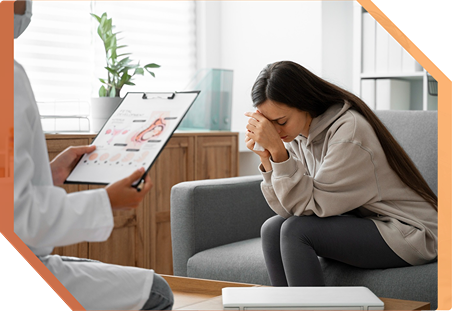
You will be matched with a qualified adjustment disorder therapist who will offer you fresh insights into your mental health and adjust the treatment strategy based on your needs and preferences.
The interests of our clients are our main priority which is why we will discuss all the therapeutic approaches we will implement with you and create a welcoming space for you to focus on your recovery.
Sign up for family therapy sessions with your closest relatives - you get to address the problems that contributed to your condition and educate your loved ones to make sure they provide you with the support you require.
Whether you resonate with art therapy or meditation therapy, there are diverse mindfulness-based interventions for different patients to enjoy - they will enhance the effectiveness of treatment and facilitate your healing.
You will be matched with a qualified adjustment disorder therapist who will offer you fresh insights into your mental health and adjust the treatment strategy based on your needs and preferences.
The interests of our clients are our main priority which is why we will discuss all the therapeutic approaches we will implement with you and create a welcoming space for you to focus on your recovery.
Sign up for family therapy sessions with your closest relatives - you get to address the problems that contributed to your condition and educate your loved ones to make sure they provide you with the support you require.
Whether you resonate with art therapy or meditation therapy, there are diverse mindfulness-based interventions for different patients to enjoy - they will enhance the effectiveness of treatment and facilitate your healing.
Adjustment disorder belongs to the category of anxiety disorders – it manifests as a strong emotional reaction to life’s challenges that is impossible to overcome or escape.
Our patients will get access to diverse therapy modalities – there are therapeutic approaches for everyone regardless of how severe their condition is. We utilize cognitive behavioral therapy (CBT) and psychodynamic therapy to help you explore your emotions and opt for a more positive way of thinking.
In case the patient can balance their daily obligations with treatment, it is possible for them to recover by attending counseling sessions in their spare time. We offer different forms of treatment at our facility – learn more on our Levels of Care page.
Yes, our clinic accepts most insurance plans – we want to accommodate our clients and ensure they can afford treatment. You may check insurance coverage on our Insurance Verification page.
A therapist will assess your physical and mental health, learn about your medical history, and evaluate the impact of the disorder on your life. We can also help you identify underlying mental health issues you are not currently aware of – see more on our What We Treat page.
You can accomplish lasting emotional and behavioral changes under the supervision of mental health professionals once you get the adjustment disorder diagnosis – the cycle of negative emotional patterns can be broken, and you can return to normal functioning once more.
Get in touch with Red Rock Behavioral Health at your earliest convenience – call (949) 704-6793 or visit our contact page to feel more emotionally available and engaged with your inner self.
Get in touch with Red Rock Behavioral Health at your earliest convenience – call (949) 704-6793 or visit our contact page to feel more emotionally available and engaged with your inner self.