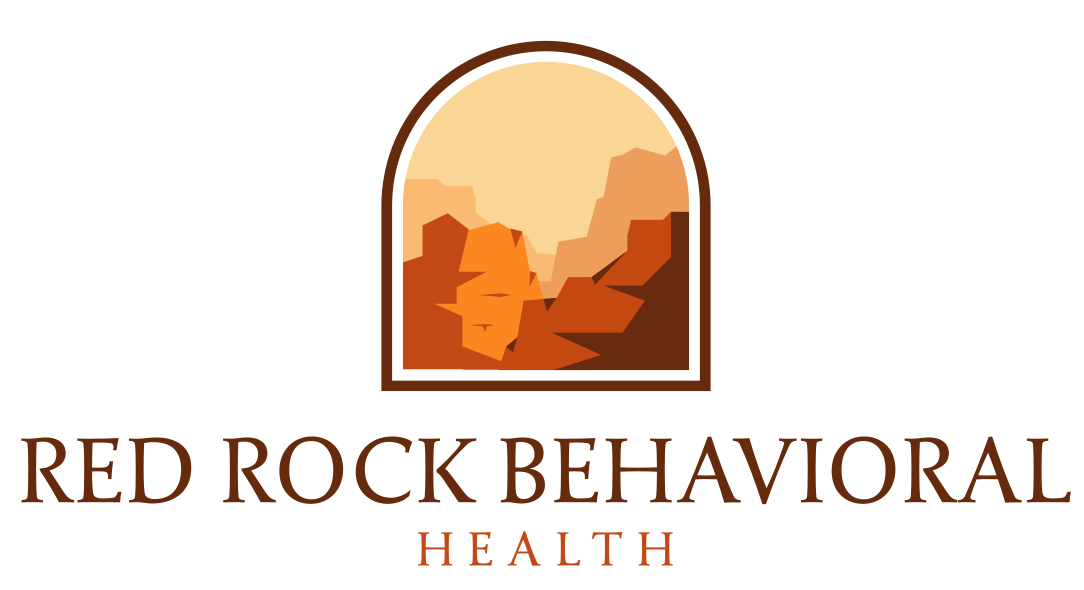
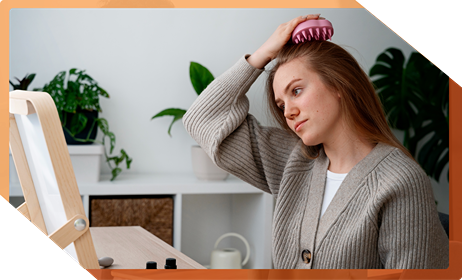
While certain habits may seem harmless at first, they actually cause significant physical damage as well as emotional suffering, and hair-pulling – trichotillomania – is one of these activities. How to stop trichotillomania? And how can one reverse the damage they have inflicted on their body and mind with this disorder?
How to stop trichotillomania? And how can one reverse the damage they have inflicted on their body and mind with this disorder?
The person may focus on a specific body part – their scalp, eyelashes, or eyebrows – or feel the same anxiety relief no matter where they are pulling their hair from. They feel the tension and stress before pulling their hair, which forces them to do it as a peculiar self-soothing ritual.
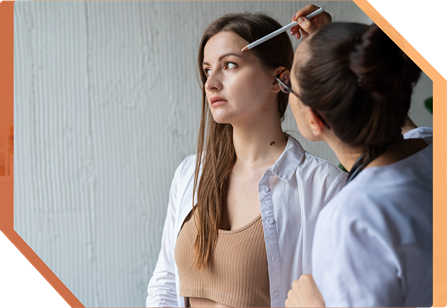
Examine the physical health of the individual – it is possible that trichotillomania caused lasting damage such as scarring, skin irritation, and infections so it will be necessary to deal with these issues as well.
Conduct a clinical interview to know more about the hair-pulling patterns, the emotional state of the person, and their motivation to engage in this activity.
Continue to monitor the patient to ensure their trichotillomania is not a symptom of a more debilitating mental health condition, such as obsessive-compulsive disorder (OCD) or depression.
Examine the physical health of the individual – it is possible that trichotillomania caused lasting damage such as scarring, skin irritation, and infections so it will be necessary to deal with these issues as well.
Conduct a clinical interview to know more about the hair-pulling patterns, the emotional state of the person, and their motivation to engage in this activity.
Continue to monitor the patient to ensure their trichotillomania is not a symptom of a more debilitating mental health condition, such as obsessive-compulsive disorder (OCD) or depression.
This subtype is diagnosed when an individual is pulling their hair unconsciously, not realizing what they are doing - it can happen when they are busy with something else.
If you are pulling your hair intentionally and you understand that this ritual helps you to calm down or deal with negativity, it means you have this form of trichotillomania.
This subtype is diagnosed when an individual is pulling their hair unconsciously, not realizing what they are doing - it can happen when they are busy with something else.
If you are pulling your hair intentionally and you understand that this ritual helps you to calm down or deal with negativity, it means you have this form of trichotillomania.
This therapy modality is perfect for individuals who cannot tolerate distress using healthy
coping mechanisms and feel like they need to resort to trichotillomania – you will be able to make peace with your difficult thoughts.
A psychiatrist will tell you what kind of trichotillomania medication will work in your case. Most patients
feel better with selective serotonin reuptake inhibitors (SSRIs) and other commonly used antidepressants.
Find comfort and security in group counseling sessions - you get to meet people who
know what you are dealing with and can give you practical advice only someone diagnosed with the same disorder can come up with.
This therapy modality is perfect for individuals who cannot tolerate distress using healthy coping mechanisms and feel like they need to resort to trichotillomania -
you will be able to make peace with your difficult thoughts.
A psychiatrist will tell you what kind of trichotillomania medication will work in your case. Most patients feel better with selective serotonin reuptake inhibitors
(SSRIs) and other commonly used antidepressants.
Find comfort and security in group counseling sessions - you get to meet people who know what you are dealing with and can give you practical advice only
someone diagnosed with the same disorder can come up with.
Trichotillomania is typically caused by a combination of factors – there are psychological, environmental, and genetic variables at play here. A disorder of this kind often runs in families, and researchers have noted that the neurotransmitter imbalance frequently makes the person more prone to the development of trichotillomania. Stressful events such as family conflicts, divorce, job loss, or a traumatic experience the individual lives through may trigger trichotillomania, especially if prior to this their mental wellness was already vulnerable due to anxiety they left untreated.
It is difficult to say with all certainty just how long your trichotillomania disorder treatment will take – some people are able to give up their bad habits after a couple of counseling sessions while others require long-term management of their symptoms. Still, most individuals are able to see significant improvement in their mental wellness after two or three months, especially if they adhere to the treatment plan that includes both psychotherapy and prescription medication.
You should consider getting treatment for trichotillomania if your urges to pull your hair cause you major distress, make you feel ashamed and embarrassed, and interfere with your everyday life. If you felt forced to skip a social gathering or a work event because you could not hide the skin infection or hair loss from others, it means the condition is serious enough to warrant immediate mental health intervention.
Trichotillomania is typically caused by a combination of factors – there are psychological, environmental, and genetic variables at play here. A disorder of this kind often runs in families, and researchers have noted that the neurotransmitter imbalance frequently makes the person more prone to the development of trichotillomania. Stressful events such as family conflicts, divorce, job loss, or a traumatic experience the individual lives through may trigger trichotillomania, especially if prior to this their mental wellness was already vulnerable due to anxiety they left untreated.
It is difficult to say with all certainty just how long your trichotillomania disorder treatment will take – some people are able to give up their bad habits after a couple of counseling sessions while others require long-term management of their symptoms. Still, most individuals are able to see significant improvement in their mental wellness after two or three months, especially if they adhere to the treatment plan that includes both psychotherapy and prescription medication.
You should consider getting treatment for trichotillomania if your urges to pull your hair cause you major distress, make you feel ashamed and embarrassed, and interfere with your everyday life. If you felt forced to skip a social gathering or a work event because you could not hide the skin infection or hair loss from others, it means the condition is serious enough to warrant immediate mental health intervention.
Our patients do not have to worry about judgment or misunderstanding when they choose to create positive shifts in their mental health under our supervision - we will treat you with respect and compassion.
Do not underestimate the role of family in the process of recovery - we can help you educate your loved ones on the nuances of trichotillomania and address toxic family dynamics in family therapy sessions.
Instead of implementing the same treatment strategy over and over again, our team will offer you a treatment plan that suits just you - we will build on your character strengths and positive qualities to help you accomplish your therapy goals.
There are diverse mindfulness-based interventions that will complement more traditional methods of treatment we utilize at our clinic - undergo meditation therapy and art therapy to reduce your stress and repair the connection between your mind and body.
Our patients do not have to worry about judgment or misunderstanding when they choose to create positive shifts in their mental health under our supervision - we will treat you with respect and compassion.
Do not underestimate the role of family in the process of recovery - we can help you educate your loved ones on the nuances of trichotillomania and address toxic family dynamics in family therapy sessions.
Instead of implementing the same treatment strategy over and over again, our team will offer you a treatment plan that suits just you - we will build on your character strengths and positive qualities to help you accomplish your therapy goals.
There are diverse mindfulness-based interventions that will complement more traditional methods of treatment we utilize at our clinic - undergo meditation therapy and art therapy to reduce your stress and repair the connection between your mind and body.
Trichotillomania is a mental health condition that compels an individual to pull their own hair from various body parts as a method of calming down.
We use diverse therapy modalities to help our patients – cognitive behavioral therapy (CBT), for instance, will allow you to commit to positive behavioral change once you challenge your negative mindset.
Before we advise you to try specific trichotillomania therapies, we will need to confirm your diagnosis by assessing your physical and mental well-being as well as identifying potential underlying issues you are not aware of. See what types of mental health disorders we also address on our What We Treat page.
We work with many insurance companies and accept most insurance plans – you can find more information on our Insurance Verification page.
It is possible to recover in outpatient care but it depends on the severity and longevity of trichotillomania as well as the way a specific patient reacts to psychotherapy and medication. There are different options we offer to our clients – read more on our Levels of Care page.
Whether you have started pulling your hair recently or you have been exhibiting this symptom for a while now, you can recover from trichotillomania and co-occurring mental health conditions that compel you to behave in such a manner. Our team of dedicated professionals will be happy to help you in this vulnerable time – foster emotional resilience and overcome your disorder under our guidance.
Get in touch with Red Rock Behavioral Health today – call (949) 704-6793 or visit our contact page to access the care you need.
Our team of dedicated professionals will be happy to help you in this vulnerable time – foster emotional resilience and overcome your disorder under our guidance.
Get in touch with Red Rock Behavioral Health today – call (949) 704-6793 or visit our contact page to access the care you need.