Skip to content





Key Takeaways
- The anxious preoccupied attachment style is an insecure pattern marked by a deep need for closeness paired with a persistent fear of abandonment.
- It usually forms in childhood when caregiving is inconsistent, then shapes adult relationship patterns and relationship insecurity.
- Fear of abandonment and emotional dependency drive clinging behavior and constant reassurance-seeking.
- Recognizing your triggers and building self-soothing skills helps break the cycle.
- Attachment styles can change; with support, you can move toward secure attachment and emotional freedom.
If you constantly worry that the people you love might leave, replay conversations searching for hidden signs of rejection, or feel calm only after a partner reassures you, you may recognize yourself in the anxious preoccupied attachment style. This pattern is one of the most common forms of relationship insecurity, and it can quietly shape how you love, argue, and connect. The encouraging news is that attachment styles are learned, which means they can also change. This guide explains what drives the clinging, why reassurance never feels like enough, and how to move toward secure attachment.
What Is Anxious Preoccupied Attachment Style?
The anxious preoccupied attachment style is one of four main attachment styles that describe how people relate to closeness and intimacy. Rooted in attachment theory, first developed by psychologist John Bowlby and later extended to adult romantic relationships, this pattern reflects a negative view of the self combined with a strong reliance on others for validation. If you have anxious attachment, you may love intensely but feel that your relationships are never quite secure, leaving you watchful for any sign that connection is slipping away.
How Childhood Experiences Shape Your Adult Relationships
Attachment patterns usually begin in early childhood. When a caregiver responds warmly and consistently, a child learns that closeness is safe and that needs will be met. When care is unpredictable, loving one moment and distant the next, the child adapts by staying hyper-alert to the caregiver’s mood and working hard to keep them close. As an adult, you may unconsciously expect love to be inconsistent, so you scan for danger, seek constant proof of affection, and feel anxious when a partner needs space. Recognizing these roots is the first step toward change.
The Root Causes of Clinging Behavior in Relationships
Clinging is rarely about being “too needy.” It is a protective response learned when connection once felt uncertain. Two forces tend to drive it: a deep fear of abandonment and a habit of emotional dependency. Understanding both helps you respond to the pattern with compassion rather than shame.
Why Fear of Abandonment Drives Your Actions
Fear of abandonment sits at the center of anxious attachment. When you sense even a small shift—a shorter text, a quieter tone, or a delayed reply—your nervous system can react as if the relationship is in real danger. This alarm can trigger protest behaviors: repeated messaging, reassurance-seeking, testing a partner’s commitment, or becoming upset over minor distance. The difficulty is that they often push partners away, which appears to confirm the original worry and deepens the relationship insecurity.
The Role of Emotional Dependency in Attachment Patterns
Emotional dependency develops when your sense of safety and self-worth rests largely on another person’s attention. Instead of self-soothing, you look to a partner to regulate your emotions and prove that you are lovable. Reassurance brings relief, but only briefly, so the need soon returns. Over time, this creates a cycle in which one person carries the weight of both people’s emotional balance. Building the ability to steady yourself, rather than relying solely on a partner, is central to loosening these relationship patterns and moving toward healthier connection.
Signs You May Have Anxious Attachment
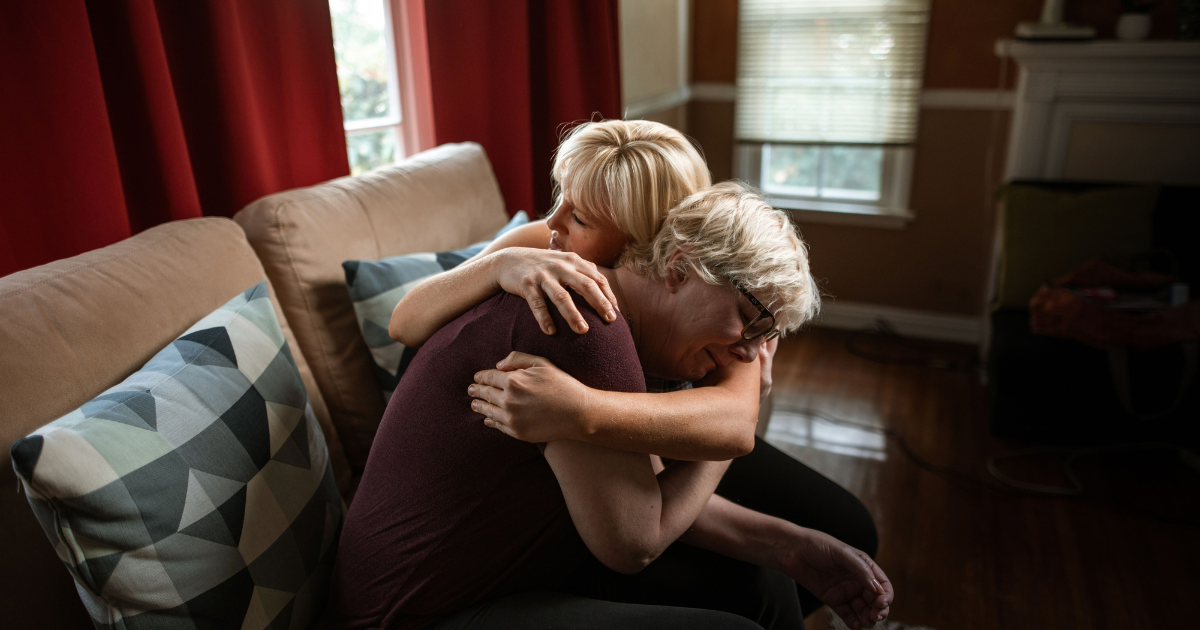
Anxious behavior in relationships shows up in recognizable ways. You might notice several of the following:
- A strong need for frequent reassurance that you are loved and valued
- Intense fear of rejection or being left
- Overthinking texts, tone, and small changes in a partner’s behavior
- Feeling anxious or panicked when a loved one wants space
- Difficulty trusting that a relationship is stable
- Low self-esteem and a sense of not being “enough”
- Prioritizing a partner’s needs while neglecting your own
Noticing these signs is not a diagnosis; it is useful self-awareness that can guide meaningful change.
How Relationship Anxiety Manifests in Daily Life
Relationship anxiety is not limited to major conflicts. It often lives in ordinary moments, such as the pause before a reply, plans that change, or a partner who seems tired after work. Small ambiguities can spark hours of worry, and you may seek reassurance to quiet the discomfort. This constant vigilance is exhausting and can crowd out the very closeness you long for.
Recognizing Insecurity Patterns Before They Damage Your Connections
Insecurity patterns tend to follow a predictable sequence: a trigger, a wave of anxiety, and a protective reaction. Learning to catch that sequence early gives you room to choose a different response. When you feel the familiar spike of fear, try to name it, pause before reacting, and ask whether the threat is real or an echo of the past. This simple practice interrupts automatic anxious behavior and protects your relationships from the strain of repeated reassurance-seeking.
The Impact of Insecure Attachment on Your Relationships
Left unexamined, insecure attachment can strain even loving partnerships. Constant worry may lead to conflict, jealousy, or a push-pull dynamic that leaves both people drained. Partners can feel that nothing they do is ever enough, while you may feel unseen or unsafe. The pattern can also affect friendships, family ties, and working relationships, since the same fears follow you wherever connection matters.
Breaking the Cycle of Reassurance-Seeking Behavior
Reassurance is not harmful in itself, but relying on it to manage anxiety keeps the cycle alive. Each request brings short-term calm and reinforces the belief that you cannot feel safe on your own. Breaking the pattern means tolerating uncertainty a little longer, soothing yourself through it, and communicating needs directly rather than through testing. Over time, your nervous system learns that you can sit with discomfort without immediate proof of love, a key shift on the path to secure attachment.
Moving Toward Secure Attachment and Emotional Freedom
Attachment styles are not fixed. With awareness and practice, you can develop what researchers call “earned” secure attachment. Progress often includes building self-worth that does not depend on a partner, learning to self-soothe, and expressing feelings openly instead of hiding them behind protest behaviors. Therapy can be especially powerful here, helping you understand your history, challenge old beliefs, and practice new ways of relating. Secure relationships, whether with a partner, a friend, or a counselor, also provide corrective experiences that gradually teach your mind and body that closeness can be safe. The goal is not to stop caring, but to love from a steadier, calmer place.
Building Healthier Relationship Patterns With Red Rock Behavioral Health
Changing lifelong attachment patterns is difficult to do alone, and you do not have to. At Red Rock Behavioral Health, compassionate professionals help people understand relationship insecurity, ease relationship anxiety, and build the skills that support secure, fulfilling connection. Whether you are struggling with fear of abandonment, emotional dependency, or the exhaustion of constant reassurance-seeking, support is available.
Take the first step toward healthier relationships and greater emotional freedom. Contact Red Rock Behavioral Health today to connect with a caring team ready to help.

FAQs
-
Can anxious preoccupied attachment style develop from inconsistent parenting in childhood?
Yes. This style commonly develops when caregivers are loving at some times and emotionally unavailable at others. A child adapts by staying alert to the caregiver’s moods and working to secure their attention, and that strategy can persist into adult relationships as anxious attachment.
- How does fear of abandonment trigger neediness in romantic relationships?
When you fear being left, small signs of distance can feel like real threats. Your nervous system responds with protest behaviors, such as extra messaging, reassurance-seeking, or testing a partner, that are meant to restore closeness but can come across as neediness.
-
What’s the connection between emotional dependency and constant reassurance-seeking behavior?
Emotional dependency means relying on a partner to regulate your feelings and self-worth. Reassurance briefly relieves anxiety, so you seek it again and again. Building self-soothing skills reduces this dependency and quiets the cycle.
-
Do people with anxious attachment styles struggle with relationship insecurity more than others?
Often, yes. Anxious attachment is defined by heightened sensitivity to rejection and a strong need for closeness, so relationship insecurity tends to feel more intense and is more easily triggered than it is for people with secure attachment.
-
Can secure attachment be developed later in life despite early attachment trauma?
Absolutely. Attachment styles can change through self-awareness, healthy relationships, and therapy. Many people develop “earned” secure attachment as adults, learning to trust, self-soothe, and connect from a calmer, more stable place.
References
- Firestone, L. Dealing With Adult Anxious Preoccupied Attachment Style. Psychology Today.
- Fraley, R. C. Adult Attachment Theory and Research. University of Illinois.
- Simply Psychology. Anxious Preoccupied Attachment Style: How It Develops & How To Cope.
- Explore Psychology. What Is Anxious Preoccupied Attachment?