Skip to content



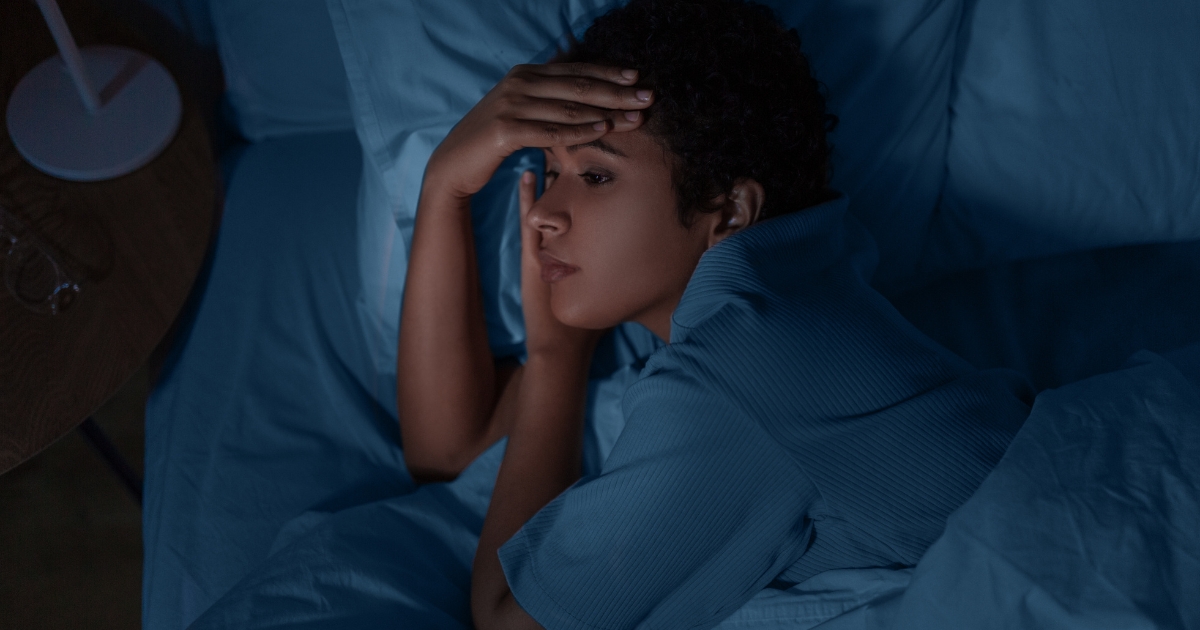
You’re finally settling into bed after a long day, your body relaxing into the mattress, your mind beginning to drift—and then it hits. A sudden jolt of panic floods your chest, your heart pounds, and you’re wide awake again, gripped by an overwhelming sense of dread. This experience, often described as a rush of anxiety when falling asleep, is more common than you might think. It’s not just in your head—it’s a real physiological response involving your nervous system, stress hormones, and the vulnerable transition your body makes between wakefulness and sleep.
Understanding why this happens and what you can do about it starts with recognizing the interplay between your body’s stress response and the sleep process itself. Whether you experience this occasionally during high-stress periods or it’s become a nightly battle, knowing the root causes and evidence-based solutions can help you reclaim restful sleep. This article explores the science behind these nighttime panic episodes, identifies four common underlying causes, and offers both immediate relief strategies and long-term treatment options.
What Happens in Your Body During a Sleep Onset Anxiety Rush
The transition from wakefulness to sleep is a delicate neurological process governed by your autonomic nervous system, which has two branches: the sympathetic (fight-or-flight) and parasympathetic (rest-and-digest). When anxiety is present, your sympathetic nervous system can misinterpret the vulnerable state of sleep onset as a threat, triggering an adrenaline surge at bedtime instead of relaxation.
This misfiring creates a cascade of physical symptoms: cortisol and adrenaline release, heart rate spikes, muscle tension, and a sense of impending doom. Many people also notice hypnic jerk anxiety symptoms—those sudden muscle twitches or the sensation of falling that naturally occur during sleep onset. In individuals with heightened anxiety sensitivity, these normal phenomena trigger full panic responses. The body hits the emergency brake when it should be coasting into rest, creating a cycle where fear of another episode perpetuates the problem.
Root Causes of Sudden Panic When Trying to Sleep
Not everyone who experiences these nighttime rushes has the same underlying cause. An isolated incident during a stressful week may reflect normal stress physiology, while frequent occurrences—several times weekly—often signal an underlying condition requiring clinical attention.
These nighttime episodes typically stem from one or more of the following root causes, each with distinct mechanisms but overlapping symptoms and varying treatment approaches.
- Hypnic jerk sensitivity combined with anxiety amplification: Normal sleep starts become misinterpreted as danger signals, triggering a full panic response in individuals with heightened interoceptive awareness.
- Hypervigilance from trauma, PTSD, or chronic stress: The brain remains on high alert even during rest, perceiving the loss of conscious control during sleep as a threat to safety.
- Panic disorder with nighttime panic attacks while sleeping: Distinct from nightmares, these episodes involve sudden waking with intense physical symptoms and are part of a broader panic disorder diagnosis.
- Anticipatory anxiety about sleep itself: Previous negative experiences create a conditioned fear response. The simple act of trying to fall asleep becomes associated with panic, creating a self-fulfilling cycle.
| Root Cause | Key Indicator | Treatment Focus |
|---|---|---|
| Hypnic Jerk Sensitivity | Panic triggered by muscle twitches or a falling sensation | Psychoeducation and desensitization techniques |
| Trauma/PTSD Hypervigilance | Persistent sense of danger, difficulty feeling safe at night | Trauma-focused therapy and nervous system regulation |
| Panic Disorder | Recurrent unexpected panic attacks, including during sleep | CBT and possible medication management |
| Anticipatory Anxiety | Conditioned dread that builds before bed; fear of another episode | CBT and cognitive reframing of sleep |
How to Stop Bedtime Anxiety Rushes: Immediate and Long-Term Solutions
When you feel a rush of anxiety when falling asleep, knowing how to stop bedtime anxiety rushes with immediate intervention tools can prevent the episode from escalating into prolonged wakefulness. The 4-7-8 breathing technique activates your parasympathetic nervous system. Grounding exercises redirect your attention away from internal panic sensations. Progressive muscle relaxation helps discharge the physical tension that accompanies these episodes.
Building a Nervous System-Friendly Bedtime Routine
Your pre-sleep routine should signal safety to your nervous system, not just relaxation. This means creating predictable rituals that your body learns to associate with the transition to rest. Consider a warm shower or bath 60 to 90 minutes before bed to trigger the temperature drop that promotes sleep. Gentle stretching or yoga poses activate the parasympathetic nervous system. Journaling or gratitude practice can help process residual stress from the day. Consistency is key—performing the same sequence nightly trains your nervous system to recognize these cues as the pathway to safe sleep rather than a vulnerable state. When your body learns these cues reliably predict safety, the frequency and intensity of a rush of anxiety when falling asleep often diminishes significantly.
Long-term management of sleep onset anxiety disorder requires addressing both behavioral patterns and underlying physiological triggers. A consistent sleep schedule regulates your circadian rhythm, making the transition to sleep more predictable and less threatening. Avoid caffeine at least eight hours before bedtime, reduce screen exposure an hour before bed, and create a cool, quiet bedroom environment. Cognitive techniques, such as challenging catastrophic thoughts about experiencing another episode, interrupt the anticipatory anxiety cycle that often perpetuates the problem. When lifestyle modifications and self-help strategies don’t resolve frequent episodes over several weeks, professional evaluation is essential to rule out underlying conditions and access specialized treatment.
| Strategy Type | Specific Technique | When to Use |
|---|---|---|
| Immediate Intervention | 4-7-8 breathing, grounding exercises | During an active anxiety rush |
| Pre-Sleep Routine | Progressive muscle relaxation, guided imagery | 30 minutes before bedtime |
| Sleep Hygiene | Consistent schedule, caffeine cutoff, cool bedroom | Daily foundation |
| Cognitive Work | Thought challenging, sleep reframing | Throughout the day and evening |

Professional Support for Sleep-Disrupting Anxiety at Red Rock Behavioral Health
When self-help strategies haven’t resolved your pattern of experiencing a rush of anxiety when falling asleep, it’s time to consider specialized treatment. Red Rock Behavioral Health offers comprehensive anxiety and trauma treatment programs designed to address the root causes of sleep onset anxiety disorder. Our clinical team understands that these nighttime episodes often reflect deeper patterns of nervous system dysregulation, unresolved trauma, or anxiety disorders that require evidence-based intervention. Through Cognitive Behavioral Therapy for Insomnia, trauma-focused therapy, and medication management when appropriate, we help clients develop lasting solutions. You don’t have to face another night of sudden panic when trying to sleep. Reach out to Red Rock Behavioral Health today for a confidential assessment and take the first step toward restful, restorative sleep.
FAQs
Below are answers to the most common questions about nighttime anxiety rushes, their causes, and when to seek professional help.
1. Is it normal to feel a rush of anxiety when falling asleep?
Occasional episodes of a rush of anxiety when falling asleep during periods of high stress can be a normal physiological response. However, if you experience these rushes multiple times per week for several weeks, it may indicate an underlying anxiety disorder, trauma response, or sleep-related condition that warrants professional evaluation. Frequent episodes that interfere with your ability to fall asleep should not be dismissed as simply normal stress.
2. Why does my heart race when falling asleep and I feel panic right as I’m drifting off?
Your autonomic nervous system may be triggering a fight-or-flight response during the vulnerable transition to sleep, often due to hypervigilance, unresolved anxiety, or heightened sensitivity to normal sleep phenomena like hypnic jerks. This creates an adrenaline and cortisol spike before sleep that jolts you awake with panic symptoms. The brain misinterprets the loss of conscious control as a threat, activating your stress response when it should be initiating rest.
3. Can anxiety cause adrenaline surges at bedtime even when I’m not consciously worried?
Yes, your nervous system can activate stress responses based on subconscious associations, past trauma, or conditioned fear of sleep itself, even when you’re not actively thinking anxious thoughts. This is particularly common in individuals with PTSD or panic disorder, where the body has learned to perceive certain states—including the transition to sleep—as dangerous, regardless of conscious awareness.
4. How long does a sleep onset anxiety rush typically last?
Most rushes peak within seconds and subside over several minutes as your nervous system recalibrates. The residual activation can make falling back asleep difficult, and chronic patterns may create longer periods of wakefulness due to anticipatory anxiety about experiencing another episode. Duration also depends on whether you engage in calming techniques or inadvertently reinforce the panic through catastrophic thinking.
5. When should I seek professional help for nighttime panic when trying to sleep?
Seek help if rushes occur multiple times per week for over a month, significantly impact your sleep quality or daily functioning, are accompanied by trauma flashbacks, or don’t improve with basic sleep hygiene and relaxation techniques. These patterns often require specialized therapy or medication management.